ISLAMABAD: Pakistan needs to generate 25 to 30 million jobs over the next decade to turn its growing youth population into an economic dividend, failing which the country risks social instability and increased outward migration, World Bank President Ajay Banga has warned.
Speaking in an interview with Reuters during his visit to Pakistan, Mr Banga said the country must create around 2.5 to 3 million jobs annually as millions of young people enter the workforce. “Job creation is the North Star,” he said, describing employment generation as a long-term, binding constraint on Pakistan’s growth rather than a secondary policy objective.
Pakistan is entering the implementation phase of a 10-year Country Partnership Framework (CPF) agreed with the World Bank last year, under which about $4 billion annually will be committed in combined public and private financing. Nearly half of this is expected to come from private-sector operations led by the International Finance Corporation, reflecting Pakistan’s limited fiscal space and the fact that 90 per cent of jobs are created by the private sector.
Mr Banga said Pakistan’s employment strategy rests on three pillars: investment in human and physical infrastructure, business-friendly regulatory reforms, and improved access to financing and insurance—particularly for small firms and farmers who remain largely excluded from formal credit.
He identified infrastructure, primary healthcare, tourism and small-scale agriculture as labour-intensive sectors with the highest job-creation potential, noting that agriculture alone could account for nearly one-third of employment needs by 2050. He also pointed to Pakistan’s growing freelance economy, saying entrepreneurs need better access to capital and support to scale into job-creating enterprises.
The urgency is underscored by rising emigration, with nearly 4,000 doctors leaving Pakistan in 2025, the highest annual outflow on record, highlighting the cost of weak job prospects and poor working conditions.
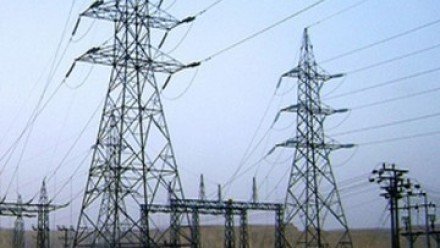
Fixing the power sector was described as the most pressing near-term priority. Mr Banga said inefficiencies, distribution losses and mounting debt in the electricity sector have constrained growth and discouraged private investment, despite improvements in generation capacity. Progress on privatisation and private-sector participation in distribution, he said, is critical to restoring financial viability, especially as rapid rooftop solar adoption risks grid instability without parallel reforms.
Mr Banga also stressed the need to integrate climate resilience into mainstream development planning, citing Pakistan’s vulnerability to floods, heatwaves and erratic monsoons. Climate-proofing infrastructure, housing, water management and agriculture, he said, would both protect livelihoods and support job creation.
Rejecting labels of fragility or crisis, Mr Banga said the World Bank views Pakistan as a long-term opportunity. “We’re in the business of hope,” he said.
Story by Reuters